Collection: Dog Beds
Dog Beds Designed For Comfortable Everyday Rest
Beds give your dog a consistent place to switch off and rest properly. When your dog has one familiar spot, they settle faster and stay settled for longer. This collection brings together beds chosen for steady support, daily comfort, and practical use in real homes. Each design suits regular routines, not occasional use.
Dogs rest for many hours every day. That rest supports recovery, mood, and movement. A bed that feels even and supportive can reduce shifting, pacing, and repeated getting up at night. If you are still choosing between shapes and fills, our guide to best dog beds in the UK explains what to look for before you buy.
Dog Beds For Different Sleeping Styles
Some dogs curl tight, while others sprawl out. Many switch between both as they sleep. A good bed should match those habits, so your dog does not need to compromise on comfort. Raised sides suit dogs that like to lean, tuck their nose, or feel enclosed. Flat mattresses suit dogs that stretch long and change position often.
Size matters as much as shape. A bed that is too small forces curled sleep. A bed that is too large can feel exposed for some dogs. Measure your dog when they are asleep and add a little space for turning.
Think about daily use as well. A bed in a main room needs to suit short naps and longer rests. A bed in a quiet room needs to suit deeper sleep. Many homes do best with two sleeping spots, so your dog can rest without following you.
Support That Helps Dogs Rest More Comfortably
Support affects how your dog feels after sleep. Hard floors and thin fills place pressure on hips, elbows, and shoulders. Over time, that can lead to stiffness after naps and slower starts in the morning. Beds with structured fills help spread weight and reduce pressure points.
Support also helps when your dog changes position. A bed that holds its shape gives a steady feel under the body. That can reduce the need to circle, scratch, and resettle. It can also help dogs that struggle to get comfortable in colder months.
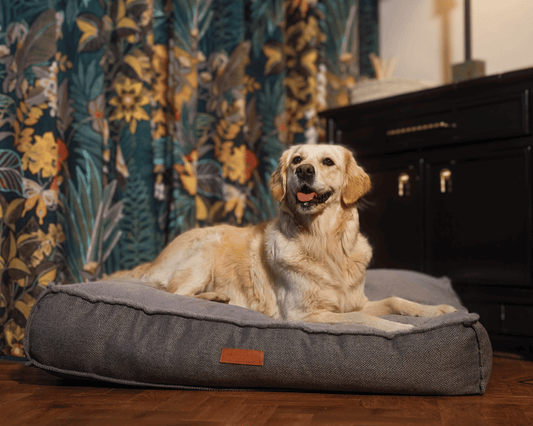
If your dog needs firmer, flatter support, the Scruffs Oxford Orthopaedic Dog Mattress suits dogs that like open space and a steady surface. It works well in living rooms, kitchens, and home offices where your dog rests through the day.
Materials That Hold Up To Daily Life
Dog beds need to cope with normal life. Muddy paws, shedding, and daily use are all part of it. Practical details help a bed stay in use, rather than becoming a hassle. Look for washable finishes, stable stitching, and fabrics that stay comfortable after repeated cleaning.
Some dogs prefer cooler surfaces. Others seek warmth and softness. You can often balance this with placement and layering. A bed on a cold tile floor feels different to the same bed on carpet. The same goes for a bed placed near a draught.
Keep the bed surface tidy as well. Quick weekly vacuuming helps reduce hair build up. It also keeps covers feeling fresh. This matters for dogs that avoid beds when they feel gritty or damp.
Dog Beds With Defined Edges And Secure Rest
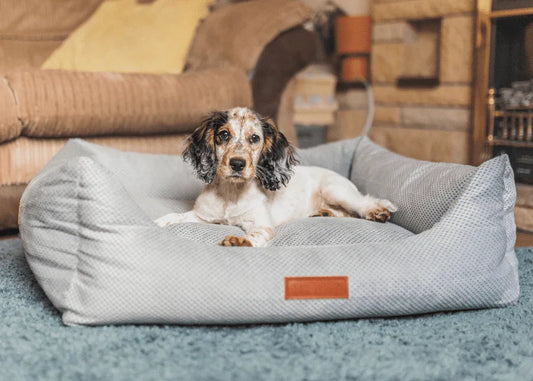
Some dogs settle best with a clear boundary. A raised edge gives a place to rest the head and shoulders. It also helps dogs feel protected when the room is busy. Dog beds with supportive sides often suit anxious dogs, younger dogs learning routines, and older dogs that prefer a predictable shape.
Edges also help dogs that lean while they sleep. A firm side can support the neck and reduce head drop. This can be useful for dogs that nap often through the day.
If your dog prefers a structured shape with a softer edge, the Scruffs Harvard Memory Foam Dog Bed offers a calm, defined rest space. It suits dogs that lean, curl, and rest their head while they sleep.
Placement Tips That Increase Daily Use
Where you place dog beds matters as much as what you buy. Put the main bed where your dog already chooses to rest. That might be near the sofa, beside a desk, or near the kitchen where they watch the room. Avoid tight walkways where people step over the bed.
Choose a spot away from direct heat and cold draughts. Keep the bed on a flat surface. If the bed slides, your dog may avoid it. A stable setup supports confidence, especially for older dogs.
If your dog always follows you, use placement to your advantage. Put one bed near your main daytime space and one where your dog sleeps at night. This supports rest without creating a new habit of wandering.
Helping Your Dog Use The Bed
Some dogs adopt new beds fast. Others need time. Keep the bed in one place for at least a week. Let your dog approach on their own, then reward calm settling. Avoid rough play on the bed, so it stays linked to rest.
If your dog is unsure, make the bed smell familiar. Add a clean blanket your dog already uses, or place the bed close to their current sleeping spot for a few days. Small changes often work better than big moves.
Once your dog uses the bed daily, keep the routine consistent. Bring your dog back to the bed after walks and meals. Many dogs learn that the bed is where they recover and relax.
Dog Beds For Puppies, Adults, And Seniors
Puppies need a bed that feels safe and easy to step into. Low edges and a stable base can help. Some puppies also chew bedding, so supervised use matters at the start. If your puppy sleeps in a crate, choose a mattress style that fits the floor space.
Adult dogs often settle best when the bed matches their normal posture. Dogs that sprawl tend to prefer open surfaces. Dogs that curl often prefer sides. Seniors often benefit from a bed that stays level and does not sag. This can reduce the effort of standing up after rest.
If you notice stiffness after sleep, review the bed surface first. A flat, supportive fill can help keep weight distributed. Keep the rest area warm and free from draughts. Many owners also place the bed closer to where the dog spends the day, so they do not feel isolated.
Choosing The Right Size And Shape
Measure your dog while they sleep in their usual position. If they curl, measure nose to tail and add a little space. If they stretch, measure full length and add space for turning. This helps you avoid buying a bed that looks large but feels cramped.
Think about how your dog enters the bed. Older dogs may avoid high sides if they need to lift sore joints. Dogs that like to lean often do well with one or two supportive edges. If your dog changes position a lot, a flatter bed can make that easier.
If you share your home with more than one dog, consider separate rest areas. Dogs can become protective over their bed. Two clear sleep spots can reduce tension and help each dog settle faster.
Explore The Dog Beds Collection
Our collection focuses on comfort you can rely on. You will find beds that suit curled sleepers, stretched sleepers, and dogs that change position often. You will also find dog beds that work in small rooms, busy family spaces, and quieter corners of the home.
Browse the dog beds below to find a shape and support level that suits your dog’s size, sleep style, and daily routine.
-
Scruffs Oxford Orthopaedic Memory Foam Dog Mattress
Regular price From £39.99 GBPRegular priceUnit price / perSale price From £39.99 GBP -
Scruffs Alpine Bolster Dog Bed
Regular price From £44.99 GBPRegular priceUnit price / perSale price From £44.99 GBP -
Scruffs Cosy Soft Dog Bed
5.0 / 5.0
(3) 3 total reviews
Regular price From £34.99 GBPRegular priceUnit price / perSale price From £34.99 GBP -
Scruffs Eden Box Dog Bed
Regular price From £49.99 GBPRegular priceUnit price / perSale price From £49.99 GBP -
Scruffs Harvard Orthopaedic Memory Foam Dog Mattress
Regular price From £79.99 GBPRegular priceUnit price / perSale price From £79.99 GBP -
Scruffs Coastal Box Dog Bed
Regular price From £44.99 GBPRegular priceUnit price / perSale price From £44.99 GBP -
Scruffs Ellen Donut Dog Bed
Regular price From £44.99 GBPRegular priceUnit price / perSale price From £44.99 GBP -
Scruffs Boucle Box Dog Bed
Regular price From £49.99 GBPRegular priceUnit price / perSale price From £49.99 GBP -
Lords & Labradors Sleepy Burrows Dog Bed in Inchmurrin
Regular price From £104.99 GBPRegular priceUnit price / perSale price From £104.99 GBP -
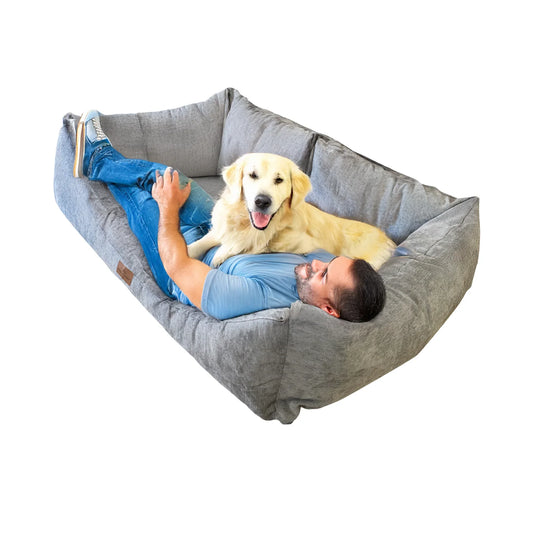
Human Dog Bed for You and Your Dog - Baker & Bray
Regular price £499.99 GBPRegular priceUnit price / perSale price £499.99 GBP -
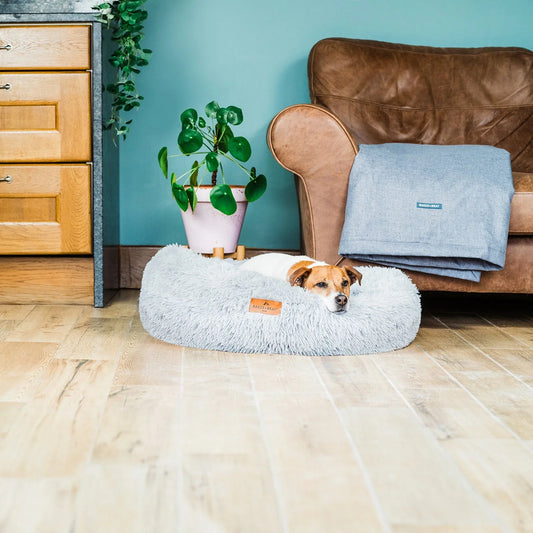
The Calming Donut Dog Bed by Baker & Bray in Light Grey
Regular price From £39.99 GBPRegular priceUnit price / per£79.99 GBPSale price From £39.99 GBPSale -
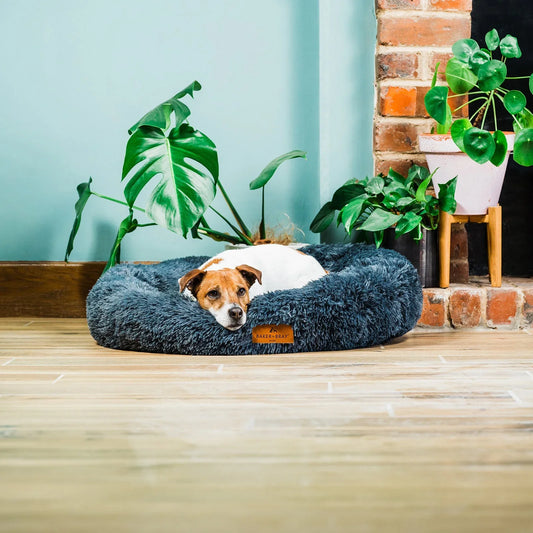
The Calming Donut Dog Bed by Baker & Bray in Navy
Regular price From £39.99 GBPRegular priceUnit price / per£79.99 GBPSale price From £39.99 GBPSale -
The Calming Donut Dog Bed by Baker & Bray in Dark Grey
Regular price From £39.99 GBPRegular priceUnit price / per£79.99 GBPSale price From £39.99 GBPSale -
The Ultimate Orthopaedic Dog Bed by Baker & Bray in Peach Fuzz
Regular price From £89.99 GBPRegular priceUnit price / per£99.99 GBPSale price From £89.99 GBPSale -
The Ultimate Orthopaedic Dog Bed by Baker & Bray in Regal Blue
Regular price From £89.99 GBPRegular priceUnit price / per£99.99 GBPSale price From £89.99 GBPSale -
The Ultimate Orthopaedic Dog Bed by Baker & Bray in Rhubarb Red
Regular price From £89.99 GBPRegular priceUnit price / per£99.99 GBPSale price From £89.99 GBPSale
Choosing The Right Dog Bed For Your Home
Choosing a bed starts with your room and your dog’s habits. Think about where your dog rests now, how warm that area is, and how much foot traffic it gets. Dogs often choose calm spots with a clear view of the room. When you place the bed in those areas, use usually improves within days.
Check the floor type as well. Hard floors can feel cold, while carpet can hold heat. If you move dog beds between rooms, keep at least one bed in a fixed place. That fixed spot helps your dog settle faster.
Using Layers To Adjust Warmth
Temperature changes through the year. Some dogs overheat easily, while others seek warmth. A simple way to control comfort is to layer a blanket on top of the bed. This can make dog beds feel familiar, especially when you introduce a new bed.
You can add warmth and protect the bed surface with items from our dog blankets collection. A blanket also makes washing easier, since you can wash it more often than the full bed.
Helping Your Dog Use Dog Beds Consistently
Dogs learn through repetition. If your dog ignores a new bed, move it closer to their usual rest spot for a week. Make sure the bed stays in the same place. Praise calm settling and keep play away from the bed.
Some dogs prefer edges, while others avoid them. If your dog curls and leans, choose dog beds with a raised side. If your dog stretches long, choose dog beds with an open mattress feel. Matching the shape to behaviour matters more than appearance.
When It Is Time To Replace Dog Beds
Dog beds wear down with use. Padding compresses, covers thin out, and support becomes uneven. Many dogs show this before you do. They change position more often, sleep elsewhere, or take longer to settle.
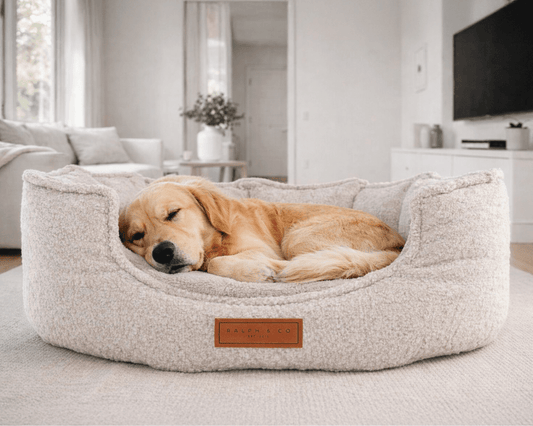
If your dog needs a new structured option with clear sides, the Scruffs Boucle Box Dog Bed suits dogs that like a defined rest space. It also works well as a second bed in a quieter room.
Keeping Dog Beds Clean Without Disrupting Routine
Regular cleaning keeps beds inviting. It also helps manage hair and everyday odour. Vacuum the bed each week and wash removable covers as needed. If your dog reacts to strong scents, use a mild detergent and skip heavy fragrance.
Try to keep one familiar item on the bed after cleaning, such as a blanket. That helps dog beds smell familiar, which can support faster settling.
Managing Mud, Fur, And Everyday Wear
Daily use brings dirt into the bed area. Keep a small towel near the door for quick paw wipes. Vacuum around the base so hair does not build up. If your dog sheds heavily, brushing before bed can also keep the cover cleaner for longer.
If your dog likes to dig before settling, choose a bed with stitching that holds up to repeated movement. Place the bed on a mat if the floor gets slippery. This keeps the bed steady and helps the area look tidy.
Helping A New Bed Feel Familiar
A new bed can smell unfamiliar. That can slow adoption, especially for cautious dogs. Use a clean blanket your dog already knows, or place an item that carries their scent on top for a few nights. Avoid strong fabric sprays and heavy fragrance.
If you need to move the bed, do it in small steps. Shift it a short distance each day, rather than moving it across the house at once. Small changes keep the routine intact.
Extra Rest Spots For Larger Homes
If your dog spends time in more than one room, a second rest spot can help. A quiet corner bed upstairs can reduce pacing at night. A daytime bed near your desk can reduce attention seeking during work hours.
Keep both spots consistent. Use the same cues for settling and the same routine after walks and meals. Consistency matters more than moving the bed to follow you.
Creating A Simple Setup That Works
Many homes do best with two beds. Use one in the main living space and one in a quieter area. This gives your dog choice without encouraging sofa hopping. It also supports rest when the house is busy.
Dog beds should make daily life easier. Choose a shape your dog already likes, place it where they rest, and keep the setup consistent.