Natural dog treats provide a simple way to reward, train, and support your dog's wellbeing using ingredients that fit easily into a balanced diet. Whether you are reinforcing positive behaviour, supporting everyday routines, or providing additional nutritional support, natural treats can become a valuable part of daily life.
Many owners now look beyond traditional reward treats and seek products that offer both enjoyment and purpose. As a result, natural dog treats have evolved to include everything from simple training rewards through to functional treats designed to support mobility, digestion, skin and coat condition, relaxation, and overall wellbeing.
At Charlie Scott's, our collection includes natural treats designed for a variety of needs, allowing owners to choose rewards that align with their dog's lifestyle, age, and individual requirements. Whether you are looking for everyday training rewards or functional treats with added nutritional benefits, natural ingredients remain at the centre of every choice.
Natural Dog Treats Made With Quality Ingredients
Ingredient quality is one of the main reasons many owners choose natural dog treats over more heavily processed alternatives. Understanding what goes into your dog's rewards makes it easier to select treats that fit comfortably within a balanced daily routine.
Many natural treats focus on straightforward ingredients and clearly labelled recipes, allowing owners to make informed decisions based on their dog's individual needs, preferences, and dietary requirements. This transparency has become increasingly important as more owners take a closer interest in the products they feed every day.
Whether you are choosing simple reward treats, training treats, chews, or functional products with added nutritional support, quality ingredients help form the foundation of a natural treat routine that supports both enjoyment and everyday wellbeing.
Best Suited For Training, Rewards, And Daily Wellbeing
Natural dog treats are suitable for a wide range of situations. Many owners use them during training sessions, while others prefer them as occasional rewards, enrichment activities, or part of a broader wellbeing routine.
Training remains one of the most common uses. Rewarding desired behaviour helps dogs build positive associations and understand expectations more clearly. Small, flavourful treats can help maintain engagement during training sessions while reinforcing consistency and communication.
Natural treats are also useful outside structured training. Many owners use them during walks, after exercise, during quiet periods at home, or as part of everyday routines that help strengthen the bond between dog and owner.
The flexibility of natural treats allows them to fit easily into different lifestyles while providing a simple way to reward and engage dogs throughout the day.
Functional Natural Dog Treats With Added Benefits
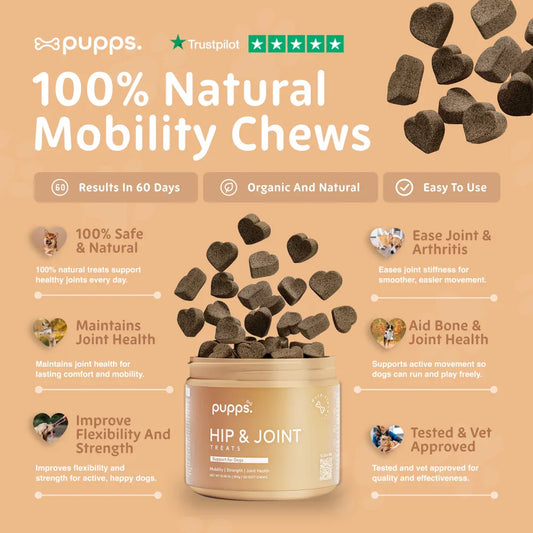
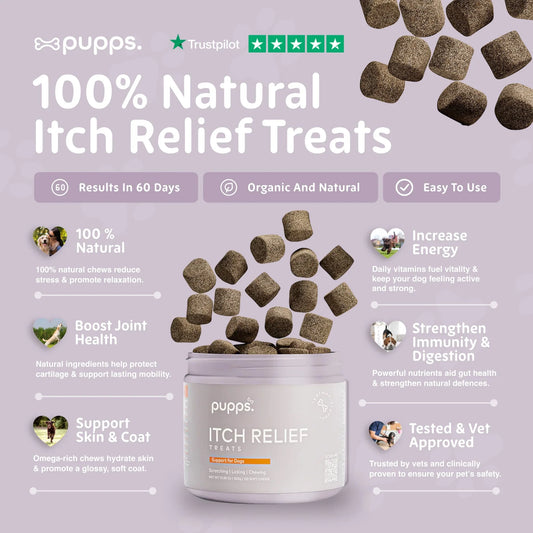
One of the biggest changes within the natural treats market has been the growth of functional treats. These products combine the enjoyment of a reward with ingredients selected to support specific areas of wellbeing.
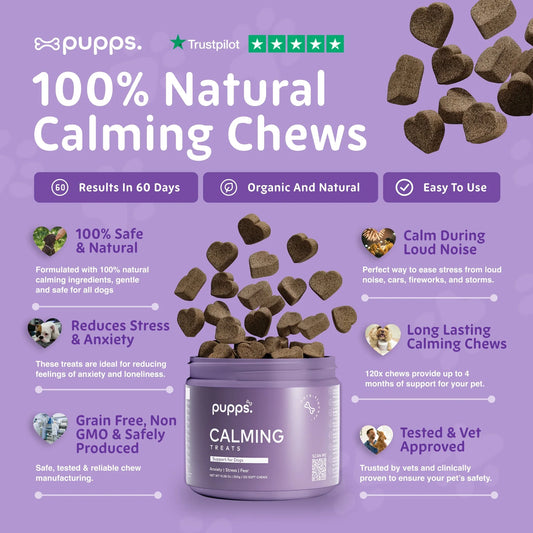
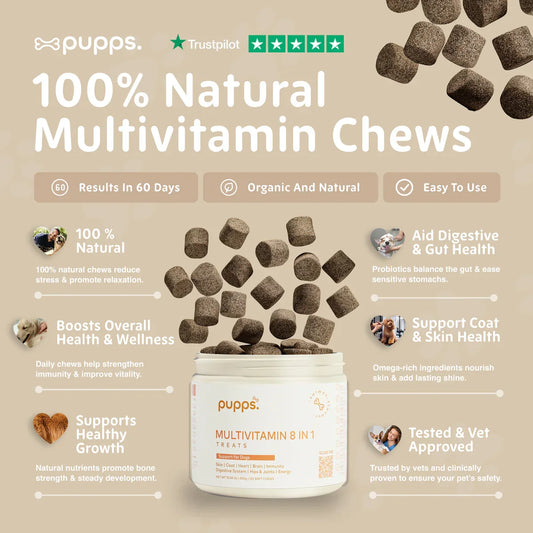
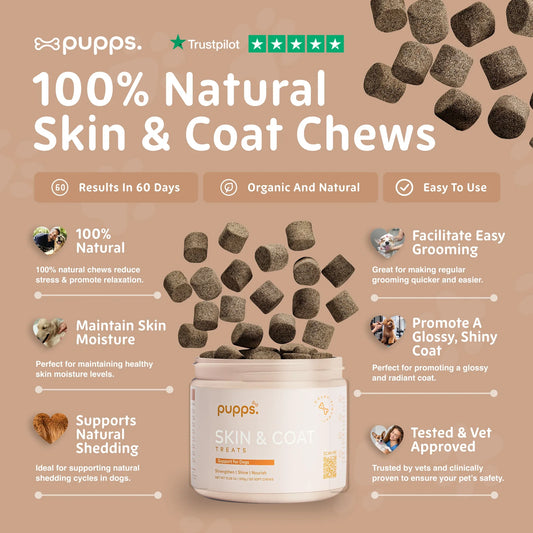
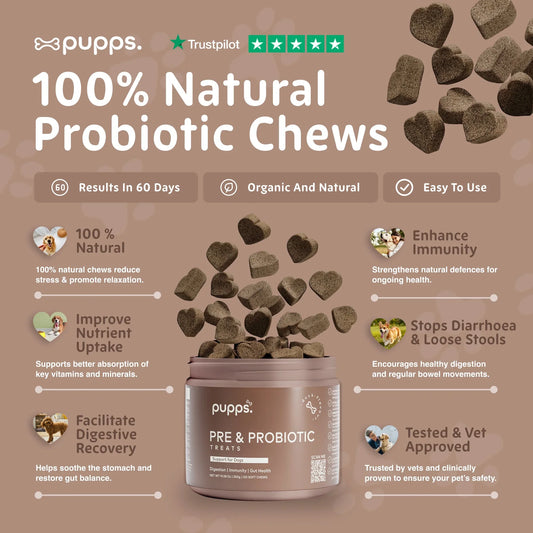
Many owners now choose treats that align with their dog's individual needs. Some dogs benefit from mobility support, while others may require digestive support, skin and coat support, calming support, or broader daily nutritional support.
Functional natural dog treats provide a convenient way to introduce these benefits through a format that most dogs already enjoy. Many owners also combine functional treats with products from our dog supplements collection when building a broader wellbeing routine tailored to their dog's individual needs.
This combination of reward and wellbeing support has made functional treats an increasingly popular choice for dogs of all ages.
Using Natural Dog Treats During Training
Effective training relies on timing, consistency, and motivation. Treats remain one of the most widely used reward tools because they provide immediate positive reinforcement that helps dogs connect behaviour with outcomes.
Many owners find that smaller treats work particularly well during training because they can be offered frequently without significantly increasing calorie intake. This allows dogs to remain engaged while helping owners maintain balance within the overall diet.
If you would like to learn more about ingredient quality and how natural treats compare with conventional alternatives, our guide on natural dog treats vs conventional dog treats explores the differences in ingredients, processing methods, and everyday use.
When combined with clear communication and consistent routines, treats can become one of the most effective tools for building positive behaviours and strengthening trust.
Choosing The Right Natural Dog Treats For Your Dog
The best natural dog treats depend on your dog's age, size, activity level, dietary requirements, and personal preferences. Some dogs thrive on simple reward treats, while others benefit from functional treats that provide additional nutritional support alongside everyday rewards.
Observing how your dog responds to different treat types can help guide future choices. Factors such as digestibility, enthusiasm, suitability for training, and overall enjoyment all contribute to finding the right option.
Natural ingredients, clear product information, and a focus on quality make it easier for owners to select treats that fit comfortably within their dog's daily routine.
Whether you are rewarding good behaviour, supporting training, encouraging enrichment, or introducing additional nutritional support, natural dog treats provide a practical and enjoyable way to contribute to your dog's everyday wellbeing.


 Sold out