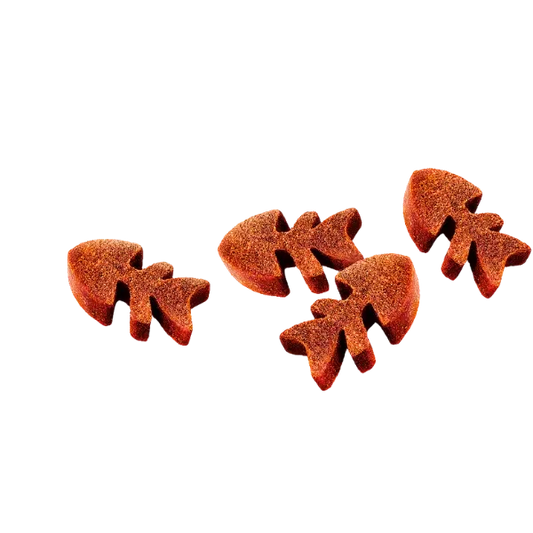
Natural cat treats can provide a simple way to reward positive behaviour, strengthen everyday routines, and add variety alongside a complete and balanced diet. Many owners choose natural treats because they focus on recognisable ingredients, straightforward recipes, and flavours that cats naturally enjoy.
The Natural Cat Treats collection at Charlie Scott's includes a carefully selected range of fish and meat-based rewards. From single-ingredient treats made from one natural protein source through to functional treats with ingredients selected to support everyday wellbeing, each product has been chosen to offer something different while maintaining a natural approach to rewarding your cat.
Some cats naturally prefer fish-based rewards with a rich aroma, while others favour meat-based treats with a stronger savoury flavour. Some owners prioritise ingredient simplicity and transparency, while others look for treats that provide additional benefits alongside everyday enjoyment. This collection brings together a variety of options to suit different preferences and feeding styles.
Whether you're looking for a simple reward for positive reinforcement, a high-value treat for training, or a natural snack made from carefully selected ingredients, this collection offers options to suit a wide range of cats, households, and reward routines.
Natural Cat Treats Made With Quality Ingredients
The growing popularity of natural cat treats reflects a wider shift towards simpler pet products made with ingredients owners can easily recognise and understand. Rather than relying on artificial flavourings, lengthy ingredient lists, or highly processed recipes, many natural treats focus on real proteins and straightforward formulations that allow the ingredients themselves to provide flavour and appeal.
For many owners, this simplicity creates confidence at treat time. Knowing exactly what a treat contains makes it easier to build consistent feeding routines while avoiding unnecessary complexity. Natural treats can also complement a balanced diet by providing variety without relying on heavily manufactured recipes.
Different cats respond to different flavours, textures, and protein sources. Some immediately gravitate towards fish-based rewards, while others show a stronger preference for meat-based options. Having access to a range of natural treats makes it easier to discover what your cat genuinely enjoys while maintaining a simple and transparent approach to rewarding.
Products such as Encore Mackerel Fillet Cat Treats demonstrate how a single natural ingredient can create a highly rewarding snack. Made from 100% mackerel, they highlight the appeal of natural flavour, ingredient transparency, and versatile feeding options without relying on fillers or unnecessary additives.
Single Ingredient Treats For Simplicity And Transparency
Single-ingredient treats remain one of the most popular categories within natural pet products because they offer complete clarity. When a treat contains only one ingredient, owners know exactly what they are feeding and can make straightforward decisions about how rewards fit into their cat's routine.
This approach appeals to owners who value transparency and prefer treats that stay close to their natural form. Rather than combining multiple ingredients to create flavour, single-ingredient treats allow the natural characteristics of the protein itself to remain the focus. The result is often a reward that feels simpler, easier to understand, and more closely connected to the original ingredient.
Many owners also appreciate the flexibility that single-ingredient treats provide. They can be used as occasional rewards, incorporated into training routines, or offered as part of a varied treat rotation that introduces different proteins over time. This helps maintain interest while giving cats opportunities to experience different flavours and textures.
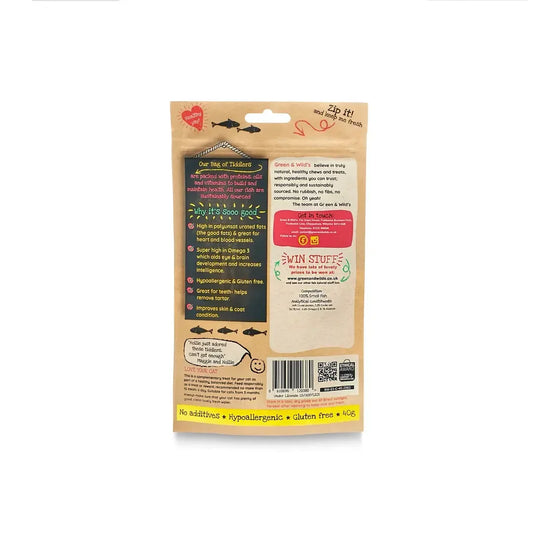
Options such as Green & Wild's Ox Liver Cat Treats showcase how a single protein source can create a highly rewarding snack. Whether fish-based or meat-based, these simpler treat options continue to appeal because they combine transparency, flavour, and convenience in a format many cats readily enjoy.
Functional Cat Treats With Added Benefits
While some owners prioritise ingredient simplicity above everything else, others look for treats that offer an additional purpose alongside everyday enjoyment. Functional cat treats combine rewarding flavours with carefully selected ingredients chosen to support specific aspects of wellbeing, allowing treats to play a more meaningful role within a cat's routine.
This approach has become increasingly popular because it allows owners to incorporate supportive ingredients into positive daily interactions. Rather than viewing treats purely as occasional rewards, many owners now look for products that contribute something extra while still delivering the flavours and textures their cats enjoy.
Examples include Carnilove Sardine with Parsley Cat Treats, which include parsley to support healthy digestion, and Carnilove Chicken with Thyme Cat Treats, which contain thyme to help support urinary tract health. These products combine carefully selected ingredients with rewarding flavours to create treats that offer more than simple taste alone.
Functional treats provide another way for owners to personalise reward routines according to their priorities. Whether the focus is digestion, urinary wellbeing, or other areas of everyday health, these products create additional options within a natural treat collection while maintaining strong flavour appeal.
Fish-Based And Meat-Based Rewards For Variety
Cats can have very different flavour preferences, which is one reason variety remains important when choosing treats. Some cats respond immediately to the rich aroma of fish-based rewards, while others prefer the deeper savoury taste associated with meat-based proteins. Offering a selection of different treat types can help keep reward routines engaging while allowing owners to learn which flavours their cat enjoys most.
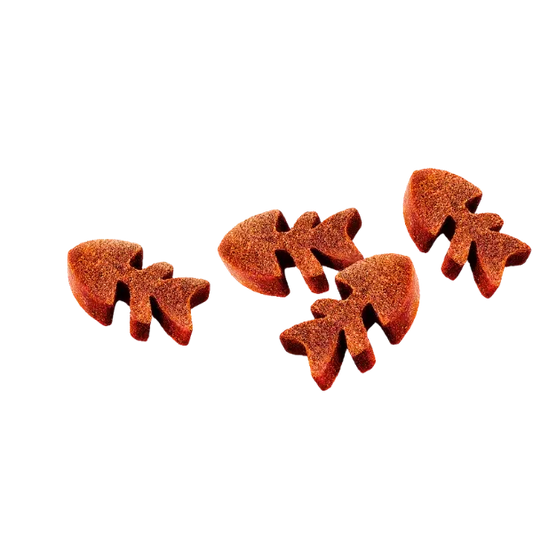
Fish-based treats are often chosen because of their strong natural aroma and distinctive taste. Products made with ingredients such as mackerel, sardine, salmon, and whole fish can create highly rewarding experiences that quickly capture a cat's attention. Many owners use fish treats during training sessions, grooming routines, or positive reinforcement exercises because they can be particularly motivating.
Meat-based rewards offer a different flavour profile and can provide useful variety within a treat rotation. Ingredients such as liver, chicken, and duck create distinct taste experiences that appeal to many cats and help prevent routines from becoming repetitive.
Rotating between fish and meat-based treats can help maintain novelty while exposing cats to a broader range of flavours and textures. This variety allows owners to tailor rewards to individual preferences while creating more engaging treat routines over the long term.

 Sold out